
Table of Contents
- Understanding Custom Art Commission Timelines
- Factors Affecting Art Commission Turnaround Time
- What to Include in an Art Commission Brief
- Is Handmade British Wildlife Art Worth the Price
- The Commission Process: Stage by Stage
- Planning Ahead: How to Avoid Delays
- Conclusion
Understanding Custom Art Commission Timelines
How long do custom art commissions take? The honest answer is: it depends on several interconnected factors that go far beyond simply "how busy the artist is." Most people expect a straightforward timeline, but the reality is more nuanced. A simple pet portrait might arrive in two weeks, whilst a complex multi-figure wildlife scene could take three months. Understanding this variation upfront saves frustration and ensures you commission work with realistic expectations.
At Jack Fethers, the timeline for custom art commissions typically ranges from two to twelve weeks, depending on the complexity of your design, the artist's current workload, and the medium you've chosen. This guide breaks down each stage so you know exactly what to expect from initial consultation through final delivery.
The key insight most people miss is that a longer timeline doesn't necessarily mean lower quality, it often means higher quality. An artist working methodically through revisions and refinements produces better results than one rushing through multiple commissions simultaneously. When you commission bespoke artwork, you're not just paying for the finished piece; you're investing in the artist's focused attention and craftsmanship.
Factors Affecting Art Commission Turnaround Time
Several variables determine how long your custom art commission will take. Understanding these factors helps you plan realistically and communicate effectively with your chosen artist.
Complexity and Detail Level
The intricacy of your design is the single largest determinant of timeline. A minimalist bird silhouette on glassware might take five to seven days of active work, whilst a highly detailed British wildlife scene with multiple species, intricate foliage, and realistic shading could require four to six weeks (the American Academy of Dermatology).

What makes a design complex? Multiple elements, fine detail work, photorealistic rendering, and layered backgrounds all extend timelines significantly. A commission featuring a single robin against a simple background moves quickly. One showing a woodland scene with five different bird species, botanical accuracy, and atmospheric perspective requires substantially more planning, sketching, and execution time.
Consider also the technical challenges of your chosen medium. Hand-painted glassware presents unique constraints, the artist must work on a curved surface, plan for how the design wraps around the glass, and account for how light passes through the piece. Canvas work allows for different approaches and timelines than detailed miniature work on ceramics.
Artist's Current Workload
Even the most talented artist can only produce so much work simultaneously. If you're commissioning during peak seasons, Christmas, wedding season, or after a successful exhibition, expect longer waits. An artist juggling ten commissions works differently than one with two active projects.
Most professional artists maintain a commission queue (aiga.org). When you place an order, you're joining that queue. A backlog of three months means your work begins three months from now, regardless of how quickly the artist could theoretically complete it. This isn't laziness; it's professionalism. Artists who overcommit deliver rushed work or miss deadlines.
The flip side: during slower periods, artists often accelerate timelines. If an artist has just finished a major project or is between exhibitions, they may prioritise your commission and deliver it faster than their standard estimate.
Choice of Medium and Materials
Different artistic mediums have inherently different timelines. Hand-painted glassware requires drying time between layers, curing time for certain finishes, and careful handling to prevent damage. Oil paintings need extended drying periods between layers. Watercolour work, depending on complexity, can move faster. Ink-based designs on paper or canvas often have shorter timelines than mediums requiring chemical curing.
Materials also matter. Custom glassware commissions at Jack Fethers, such as the Pet PAWtraits hand-painted on glassware, typically deliver within two weeks, though this depends on current workload. Sourcing specific materials, particular paper stocks, specialty pigments, or bespoke glass shapes, can add time to your timeline if those items aren't in stock.
Ask your artist about their material sourcing lead times. If they need to order something specifically for your commission, factor that into your expectations.
What to Include in an Art Commission Brief
A clear, detailed brief accelerates the entire process. Vague requests lead to multiple revision rounds; specific briefs lead to faster approvals and fewer corrections.
Your commission brief should include reference images showing the subject matter from multiple angles. If you're commissioning a pet portrait, provide several high-quality photographs in different lighting conditions. For wildlife art, gather reference images of the species from reputable sources. Include colour preferences, do you want naturalistic colours or artistic interpretation? Specify the mood you're after: playful, serene, dramatic, whimsical.
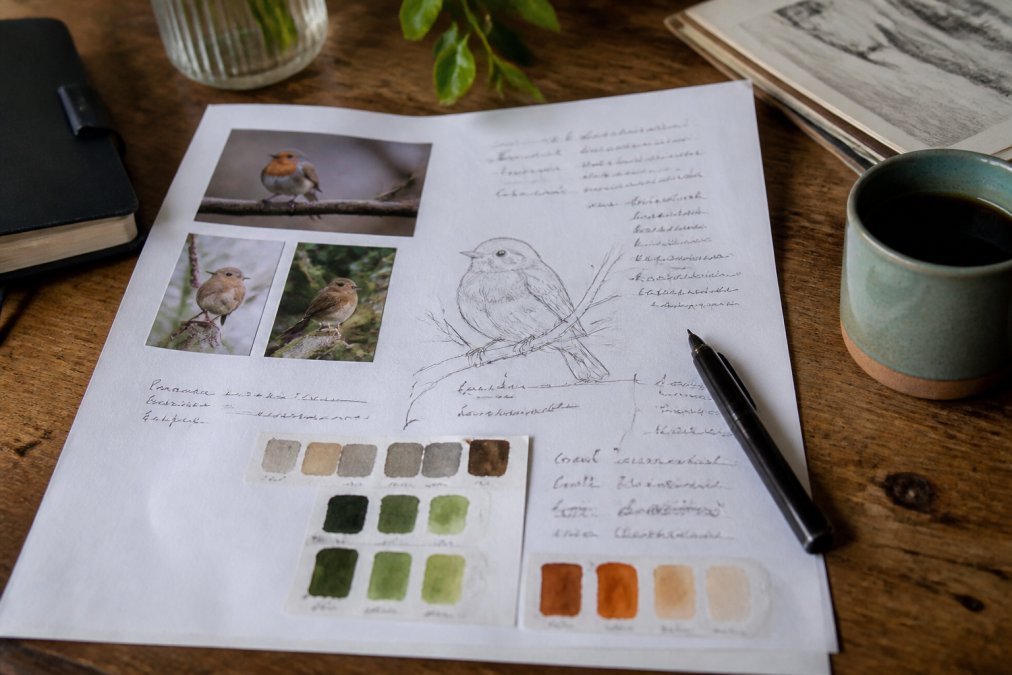
Describe the intended purpose and placement. Is this a gift? Will it hang in a modern flat or a traditional cottage? Will it sit on a shelf or be displayed prominently on a wall? These details help the artist make aesthetic decisions about composition, scale, and style. Include any specific requirements: size constraints, framing preferences, whether you want the artist's signature visible or subtle.
The more specific your brief, the fewer revision rounds you'll need. Most artists include one or two revision rounds in their standard timeline, but excessive changes extend deadlines significantly (aiga.org). A well-constructed brief minimises back-and-forth communication and keeps the project moving forward.
Is Handmade British Wildlife Art Worth the Price
This question sits at the heart of why custom art commissions take time. Handmade British wildlife art commands premium prices because it involves genuine artistic skill, material costs, and the artist's focused time. Mass-produced prints cost significantly less because they're created once and reproduced infinitely. A bespoke commission exists only for you.
The value proposition differs fundamentally. A mass-produced print costs what it costs to print and frame. A handmade piece reflects the artist's years of training, their material investments, and their creative labour. When you commission custom art from an established artist like Jack Fethers, you're paying for their expertise, their reputation, and the knowledge that your piece is genuinely unique.
Consider durability and permanence. Hand-painted artwork using quality materials lasts generations. Prints fade; original paintings endure. The investment in a bespoke commission is an investment in something that retains value and meaning over time. For significant life events, retirement gifts, wedding presents, memorials, that permanence justifies the cost and the wait.
The timeline itself signals value. If an artist could deliver your commission in two days, you'd reasonably question their dedication to quality. The weeks spent sketching, refining, and executing reflect genuine craftsmanship. The price and the timeline are connected: both indicate that your piece matters to the artist, not merely to their revenue stream.
The Commission Process: Stage by Stage
Understanding each phase of the commission process demystifies the timeline and shows why it takes as long as it does.
Initial Consultation and Agreement
The process begins with a conversation between you and the artist. This stage typically takes three to seven days. You describe your vision; the artist asks clarifying questions and assesses feasibility. They discuss style, medium, size, and any technical constraints. The artist provides an estimate of timeline and cost.
During this phase, expectations align. You learn whether the artist can deliver what you envision. They learn whether your brief is realistic and achievable. This conversation prevents misunderstandings later. A good artist asks detailed questions about your reference images, your colour preferences, and how you'll use the finished piece.
Once you've agreed on terms, you sign a commission agreement or contract. This formalises the timeline, cost, revision policy, and payment schedule. Most artists require a deposit at this stage, typically 25 to 50 percent of the total cost. This secures your spot in their queue and demonstrates your commitment to the project.
Sketching and Design Approval
The artist now creates preliminary sketches or design mockups. This stage usually takes one to three weeks, depending on complexity and the artist's workload. For hand-painted glassware commissions, the artist may sketch the design on paper first, considering how it will wrap around the glass and interact with the transparent surface.
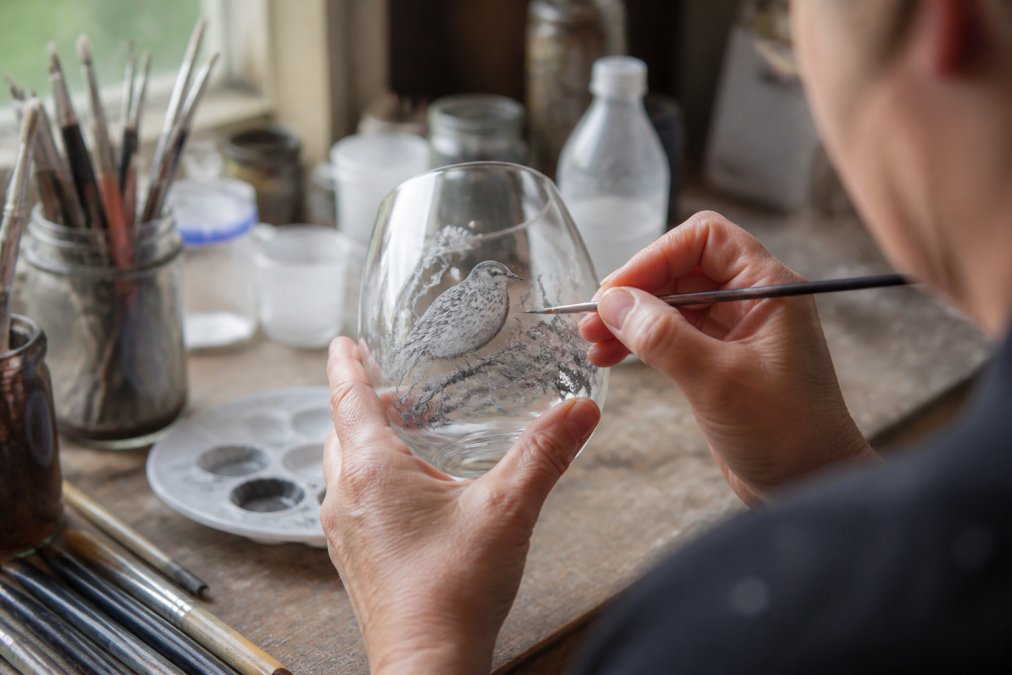
You review the sketches and provide feedback. This is your opportunity to request changes before the artist begins the time-intensive execution phase. Most artists include one or two revision rounds at this stage without additional cost. Significant redesigns may incur extra fees or extend the timeline.
The approval stage is crucial. Once you've signed off on the sketch, the artist proceeds to execution. Changes after this point become increasingly expensive and time-consuming. Be thorough in your feedback during this phase.
Execution and Creation
This is where the bulk of the timeline sits. The artist now creates the finished piece, working in their chosen medium. For complex commissions, execution can take four to eight weeks. For simpler designs, two to three weeks is typical.
During execution, the artist may provide progress updates, photographs of the work in progress. This keeps you engaged and reassured that your commission is moving forward. Some artists prefer to work uninterrupted and deliver only when the piece nears completion; others share progress regularly.
The execution phase is where material timelines matter most. Hand-painted glassware requires drying time between layers. Oil paintings need curing time. Watercolour work may require extended drying before sealing or framing. The artist's technique and medium determine how much of this phase is active work versus waiting for materials to cure.
Revisions and Final Touches
Once execution is complete, the artist may request your feedback. Do you approve of the finished piece, or are there final adjustments? Most commissions include one revision round at this stage. Minor tweaks, slightly adjusting a colour, refining a detail, take a few days. Major changes require returning to the execution phase, which extends the timeline significantly.
Final touches might include signing the piece, applying protective sealant or varnish, or preparing it for framing. These steps typically take three to five days. Once the artist is satisfied, they prepare the piece for delivery, careful packaging, insurance documentation, and shipping arrangements.
Planning Ahead: How to Avoid Delays
If you're commissioning artwork for a specific occasion, timeline planning is essential. A wedding three months away is realistic for a moderately complex commission but tight for something intricate. A retirement gift six months away provides comfortable breathing room.
Build in buffer time. If your event is in twelve weeks, commission the artwork for delivery in ten weeks. This gives you a two-week buffer for unexpected delays, a revision round that takes longer than expected, a material shortage, or personal circumstances that slow the artist's work.
Communicate your deadline clearly during the initial consultation. An artist who knows your timeline can prioritise your commission appropriately and decline it if they can't meet your needs. Vague deadlines lead to assumptions and disappointment.
Provide all reference materials and information upfront. Delayed briefs delay sketches, which delay execution. The faster you respond to artist requests, the faster your commission moves through each stage.
Choose your medium wisely. If you're working with tight timelines, discuss which mediums the artist can execute most quickly. A simpler design in a faster medium might be the realistic option, rather than an ambitious concept that requires extended timelines.
Commissioning bespoke artwork is fundamentally different from purchasing mass-produced art. The timeline reflects genuine craftsmanship and the artist's dedication to creating something meaningful specifically for you. When you commission custom art from Jack Fethers, you're investing in original work that celebrates British wildlife with hand-painted detail and artistic integrity. Our Pet PAWtraits hand-painted on glassware and custom glass commissions typically deliver within two weeks, depending on current workload and design complexity. Understanding the process, from initial consultation through final delivery, helps you plan realistically and appreciate the artistry behind your finished piece. Start the conversation early, provide detailed briefs, and build in buffer time for your timeline. Your finished commission will be worth the wait.

=== FAQ ANSWERS (audit these too, same rules) ===
Frequently Asked Questions
What is a reasonable timeframe for a custom art commission?
Most custom art commissions take between 2 to 8 weeks, depending on complexity and the artist's workload. Hand-painted glassware commissions, for example, typically deliver within 2 weeks but can be completed in 7-10 days during lighter workload periods. Larger pieces like canvas originals or highly detailed designs may take longer. Always discuss realistic timelines with your artist before committing, especially if you have a specific deadline like a wedding or special occasion.
What factors affect how long a custom art commission takes?
Several factors influence turnaround time: the complexity and detail level of your design, the artist's current workload, your choice of medium (hand-painted glass dries faster than oil on canvas), how quickly you provide reference materials and feedback, and the number of revision rounds. Communication speed matters too, artists who receive clear briefs and prompt approval responses can work faster. Seasonal demand also plays a role; commissions during busy gifting periods may take longer.
Is handmade British wildlife art worth the price?
Handmade wildlife art commands higher prices because each piece is genuinely original, created by a skilled artist who invests time in capturing detail and character. Unlike mass-produced prints, hand-painted work offers uniqueness, personal connection, and lasting quality. You're paying for craftsmanship, not just materials. A hand-painted piece becomes a cherished heirloom rather than a replaceable decoration, making it a meaningful investment for gift-givers and collectors who value authenticity and artistic integrity.
Should I expect regular updates during the commission process?
Yes, most professional artists provide progress updates at key stages: after the initial sketch, during execution, and before final delivery. However, the frequency depends on your agreement. Some artists send photos at major milestones, whilst others prefer to focus on work and deliver the finished piece. Clarify your expectations during the brief stage. Regular communication helps catch any misunderstandings early and gives you confidence that your commission is progressing as planned.
This article was written using GrandRanker