
Table of Contents
- Hand-Painted Wildlife Art vs Prints: Key Differences
- Is Handmade British Wildlife Art Worth the Price?
- Commissioning Bespoke Wildlife Artwork
- How to Value Limited Edition Wildlife Prints
- Durability and Longevity Comparison
- Which Option Suits Your Space and Budget?
- Conclusion
Hand-Painted Wildlife Art vs Prints: Key Differences
Hand-painted wildlife art is original work created directly by the artist, while prints are reproductions produced in limited or unlimited quantities. At Jack Fethers, we offer both formats to suit different collector needs.
The most obvious difference is uniqueness. A hand-painted canvas exists as a singular piece; no two are identical, even if the artist paints the same subject multiple times. Each brushstroke, colour variation, and compositional decision belongs to that specific work. Prints are reproductions, even limited edition prints share identical imagery across every copy in the run.
This distinction affects provenance and resale potential. Original paintings carry documented artist signatures, dates, and certificates of authenticity. Limited edition prints are numbered and signed by the artist, adding value and scarcity, but they remain reproductions. The artist's hand touched the original canvas, not each print.
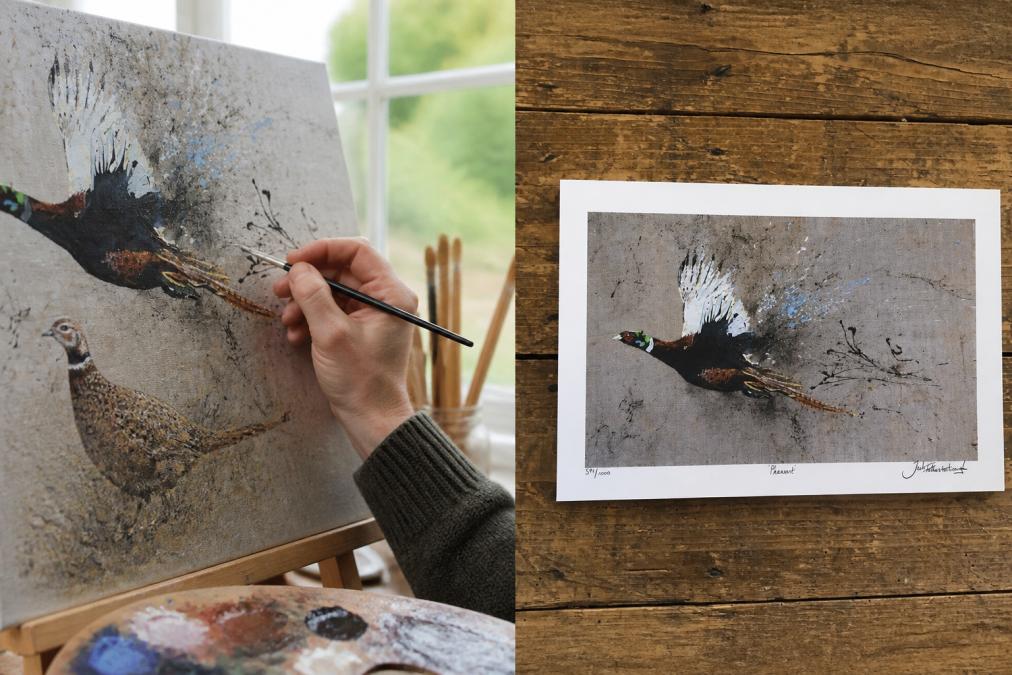
Hand-painted work involves the artist responding to the canvas in real time, adjusting colours, texture, and composition as the piece develops. Prints are created once, then reproduced mechanically or digitally. The artist's intuitive decision-making is locked into that single original; subsequent prints are faithful copies of a finished vision.
Original paintings have texture, visible brushwork, paint layers, and surface variation that photographs cannot capture. Prints, even high-quality fine art prints on premium paper, lack that dimensional quality. For people who value the sensory experience of art, this distinction is significant.
Is Handmade British Wildlife Art Worth the Price?
Hand-painted British wildlife art commands premium prices, often 5 to 20 times the cost of a comparable limited edition print, because you're acquiring an original object with documented provenance, not a reproduction (the American Academy of Dermatology).
Original paintings appreciate over time. Museums, serious collectors, and institutions acquire original artwork as holdings. Limited edition prints hold value but typically depreciate or plateau. If you're buying purely for aesthetic enjoyment, the price difference feels harder to justify. If you're building a collection or gifting something with lasting financial value, original work makes sense.
The quality of execution matters enormously. A hastily executed painting by an unknown artist might not justify its premium over a beautifully rendered print by an accomplished painter. The artist's reputation, technical skill, and the piece's historical significance all influence whether the price reflects genuine value.
Jack Fethers has been creating hand-painted wildlife art since 2012, and the pricing reflects years of refinement, material quality, and artistic development. When you commission a bespoke piece or purchase an original from the studio, you're acquiring work backed by a documented artistic practice.
A hand-painted piece created specifically for you carries narrative weight that a print cannot match. It's a tangible connection to the artist's vision, captured in a singular moment. That intangible quality often justifies the price for gift-givers seeking something truly distinctive.
Commissioning Bespoke Wildlife Artwork
Commissioning bespoke wildlife artwork is a collaborative process where your vision and the artist's expertise combine to create something entirely new.
Establish clear communication about your vision. Do you want a specific bird species? A particular landscape or setting? Should the piece reflect a moment you witnessed, or is it purely imaginative? Provide reference images, describe the mood you're after, and be explicit about size, medium, and specific requirements.
Turnaround time varies based on the artist's schedule and composition complexity. Communicate deadline expectations clearly, especially if commissioning for a specific occasion.
The financial structure typically involves a 50% deposit upon agreement, with the balance due upon completion. Clarify payment terms, revision policies, and what happens if you're dissatisfied with the result. A reputable artist will offer reasonable revisions within the scope of the original brief.
When working with Jack Fethers on a commission, you'll receive progress updates, typically including preliminary sketches or progress photos. This allows you to provide feedback before the artist invests in full execution. The final piece arrives signed and ready to display, with documentation of the commission details.
A hand-painted piece created specifically for you carries narrative depth that off-the-shelf art cannot match. That story becomes part of the piece's value and meaning.
How to Value Limited Edition Wildlife Prints
Limited edition wildlife prints occupy a middle ground between affordable reproductions and premium original artwork. Understanding how to evaluate them protects your investment.
The numbering system is your first clue. A print numbered 47/500 means this is the 47th print in a run of 500. Prints numbered lower are often considered more desirable because they were pulled earlier in the run, before any potential wear on the printing plate. However, the difference in value between print 1/500 and print 200/500 is typically modest; the scarcity comes from the limited run itself.
Artist signature and authentication matter significantly. A limited edition print should be hand-signed by the artist in pencil, not printed as part of the design. Some prints include a certificate of authenticity detailing the edition size, print date, and artist confirmation. This documentation adds value and provenance.
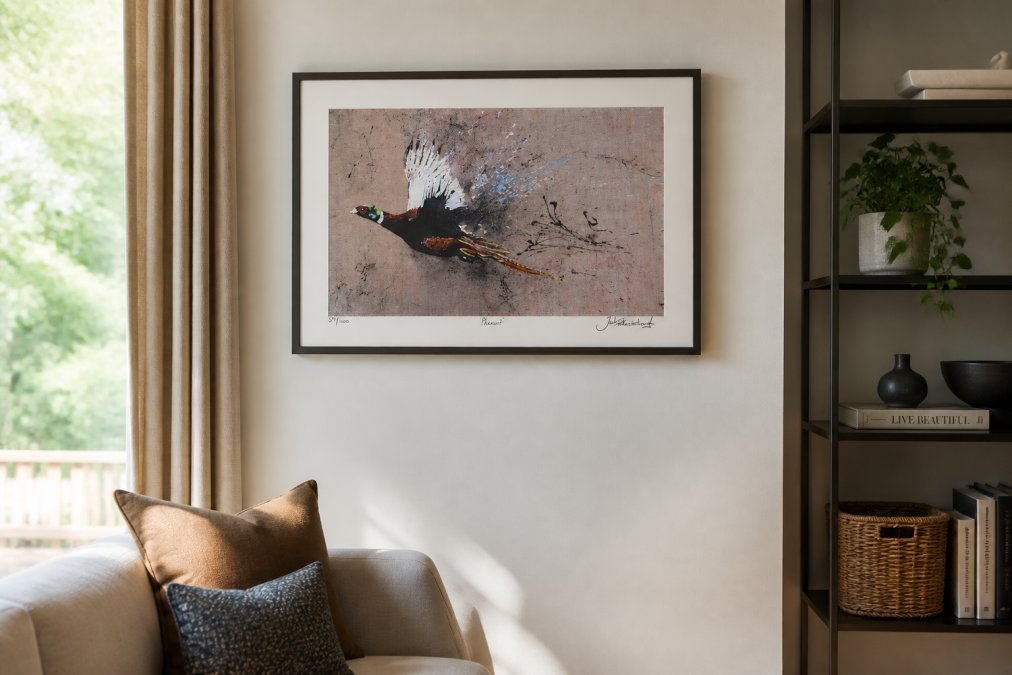
The quality of the print itself, paper stock, colour fidelity, and production method, directly influences value. Fine art prints produced on premium paper (archival cotton rag, 100% acid-free) with pigment-based inks command higher prices than prints on standard paper with dye-based inks. Premium prints are designed to last decades without fading; cheaper reproductions may show colour degradation within years.
Edition size is the primary driver of print value. A print limited to 100 copies is inherently scarcer than one limited to 1,000. As prints sell and become unavailable, remaining copies gain value through reduced supply. A sold-out limited edition print can appreciate modestly over time, particularly if the artist's reputation grows.
Provenance and condition also matter. A print purchased directly from the artist or an established gallery carries more documented value than one bought secondhand with unclear history. Condition directly affects resale value; framed prints in excellent condition command premiums.
Jack Fethers' limited edition prints, such as the Study of Swallows Prints at £29.99, are hand-signed and numbered, with each size limited to a specific run (A4 limited to 500, A3 to 200, A2 to 100, A1 to 100). This tiered scarcity structure means larger formats hold greater rarity value. These prints are produced on premium paper, ensuring longevity and visual impact.
To value a print you own or are considering purchasing, research recent sales of comparable prints by the same artist. Check auction records, gallery listings, and online art marketplaces. This research gives you a realistic sense of current market value.
Durability and Longevity Comparison
Hand-painted artwork and limited edition prints have very different lifespans and preservation requirements.
Original paintings, when properly cared for, can last centuries. Oil and acrylic paintings on canvas are particularly durable if stored and displayed in stable environmental conditions. The key variables are UV exposure, humidity fluctuations, and temperature extremes. A hand-painted piece displayed away from direct sunlight, in a climate-controlled space, will retain its visual integrity indefinitely.
Fine art prints on archival paper with pigment-based inks are designed for longevity comparable to original paintings, lasting 100+ years without significant fading if stored and displayed properly (peer-reviewed research). Prints on standard paper with dye-based inks may show noticeable colour degradation within 10 to 20 years, particularly if exposed to sunlight (peer-reviewed research).
An original painting requires minimal intervention beyond occasional gentle cleaning and stable display conditions. A fine art print requires similar care but offers less flexibility. Any damage to a print is permanent. Damage to an original painting can sometimes be addressed through professional conservation, though this is expensive.
Environmental factors affect both formats equally. Direct sunlight causes fading in prints and can yellow varnish on paintings. High humidity encourages mould and paper deterioration. Both formats benefit from stable, cool, dry storage and display away from direct light.
A well-maintained original painting outlasts a print. A hand-painted piece can be passed through generations with minimal degradation. A print, even a premium one, will eventually show age. This longevity difference is another reason original artwork commands premium prices.
Which Option Suits Your Space and Budget?
The choice between hand-painted wildlife art and prints depends on four factors: budget, intended use, aesthetic preference, and investment intent.
Choose hand-painted artwork if: You have a budget of £300 to £2,000+ and want a singular, investment-grade piece with documented artist provenance. You're furnishing a significant wall space and want visual impact backed by genuine artistic craftsmanship. You're gifting to someone who values originality and uniqueness. You're building an art collection and want pieces that appreciate over time. You want the tactile, dimensional quality that only original work provides.
Choose limited edition prints if: Your budget is £15 to £50 per piece. You want high-quality wildlife imagery without the premium of original work. You're furnishing multiple spaces and want cohesive artwork across rooms. You prefer the flexibility of prints, easier to rotate, replace, or update as your aesthetic evolves. You're a gift-giver seeking distinctive, signed artwork that feels special without the investment commitment of original work.
Jack Fethers offers both options to suit different needs. The Original Pheasant Prints at £14.99 and Assorted Prints at £9.99 provide accessible entry points for collectors and gift-givers. The Game Bird Print Collection at £29.99 offers curated sets of four hand-signed, numbered designs, ideal for creating a gallery wall of British wildlife without the expense of original work. For those seeking something truly bespoke, commissioning a hand-painted piece directly from the artist ensures a unique creation tailored to your space and vision.


Consider also the longevity of your display. If you're decorating a rental flat or temporary space, prints make sense. If you're investing in a permanent home or creating a lasting gift, original artwork justifies the premium.
The emotional dimension matters too. A hand-painted piece created specifically for you carries narrative weight. A limited edition print, whilst mass-produced, still represents the artist's singular vision, captured, signed, and numbered. Both offer genuine value; the question is which aligns with your priorities.
The decision between hand-painted wildlife art and prints isn't about finding the objectively "best" option, it's about matching the format to your budget, space, and what the artwork means to you. If you're seeking original, investment-grade British wildlife art with bespoke customisation options, commission directly from Jack Fethers and acquire a singular piece backed by years of artistic practice. For distinctive signed prints that deliver visual impact without premium pricing, the curated print collections combine artist authenticity with accessibility. Either path offers genuine craftsmanship and the satisfaction of owning art that celebrates British wildlife with integrity and elegance.

Frequently Asked Questions
What is the difference between an original hand-painted wildlife art piece and a fine art print?
Original hand-painted wildlife art is created directly by the artist using paints, brushes, and canvas or other surfaces. Each piece is unique and unrepeatable. Fine art prints, by contrast, are reproductions of original artwork, printed on paper or canvas using professional printing techniques. Prints can be limited editions (numbered and signed) or unlimited. Hand-painted pieces carry the artist's direct brushwork and texture, whilst prints offer consistency and affordability. Both can display wildlife subjects beautifully, but originals represent the artist's singular vision.
Is handmade British wildlife art worth the investment compared to prints?
Hand-painted wildlife art typically costs more upfront but may hold or appreciate in value over time, especially if created by established artists. Prints are more affordable, ranging from £9.99 to £29.99 for signed limited editions, making them accessible entry points into wildlife art collecting. The value depends on your goals: if you seek a unique, one-of-a-kind piece to treasure long-term, hand-painted art justifies the investment. If you want quality artwork at a lower price point without expecting financial returns, limited edition prints from respected artists offer excellent value and authenticity without the premium cost.
How can you tell if a wildlife art piece is an original or a reproduction?
Genuine originals show visible brushstrokes, texture variation, and subtle colour gradations that photographs cannot fully capture. Signed originals are typically signed on the front or back by the artist's hand. Limited edition prints are signed and numbered (e.g., 'No. 5 of 100'), indicating their edition status. Check for certificates of authenticity, artist provenance, and direct purchase from the artist or reputable galleries. Reproductions often feel flat and uniform in texture, whilst originals have dimensional depth. Ask the seller about the piece's creation process, artists can describe their materials and techniques in detail.
Do limited edition wildlife prints hold their value as an investment?
Limited edition prints from recognised artists can appreciate modestly, particularly if the edition run is small and the artist's reputation grows. Scarcity, achieved through numbered limits, supports value retention. However, prints generally appreciate less dramatically than original paintings. Their primary value lies in aesthetic enjoyment and supporting independent artists rather than financial return. Signed, numbered prints from established wildlife artists are more collectible than unsigned reproductions. For investment purposes, focus on prints with documented artist credentials, small edition numbers (under 200), and established market demand.
What should I consider when choosing between hand-painted art and prints for my home?
Consider your budget first: prints start at £9.99 and offer immediate affordability, whilst hand-painted pieces require larger investment. Think about space: originals make bold focal points in larger rooms, whilst prints work well in galleries or smaller spaces. Consider your aesthetic, both styles suit contemporary and traditional interiors when chosen thoughtfully. If you value supporting independent artists and owning unique pieces, hand-painted art rewards that commitment. If you want quality wildlife artwork without premium costs, limited edition signed prints from respected artists deliver authenticity and beauty. Commissions allow personalisation but require longer timescales.
This article was written using GrandRanker