
Table of Contents
- What Hand-Painted Glassware Commission Prices Actually Cover
- Pricing Tiers for Hand-Painted Glassware Commissions
- The Custom Glassware Commission Process and Timeline
- Artisan Glassware Durability and Long-Term Value
- How to Clean Hand-Painted Glassware Safely
- Why Hand-Painted Glassware Costs More Than Prints
- Commissioning Your Piece: What to Expect
- Conclusion
Last Updated: August 27, 2026
What Hand-Painted Glassware Commission Prices Actually Cover
Hand-painted glassware commission prices reflect far more than labour. You're paying for the artist's skill, materials, design iteration, and durability that separates genuine artisan work from mass-produced alternatives. At Jack Fethers, each hand-painted glassware commission is signed and dated, meaning you're investing in a unique artwork that won't be replicated.
The cost structure includes the base glassware itself, quality glass blanks suitable for hand-painting, paint and sealants that must be food-safe and dishwasher-resistant, and the artist's time. Hand-painted glassware commission prices also account for the artist's experience and portfolio. A professional artist with years of experience commands higher fees than someone starting out, and the difference in execution quality, colour blending, and fine detail work is immediately apparent.
Pricing Tiers for Hand-Painted Glassware Commissions
Hand-painted glassware commission prices typically fall into three main tiers depending on complexity and the artist's experience level.
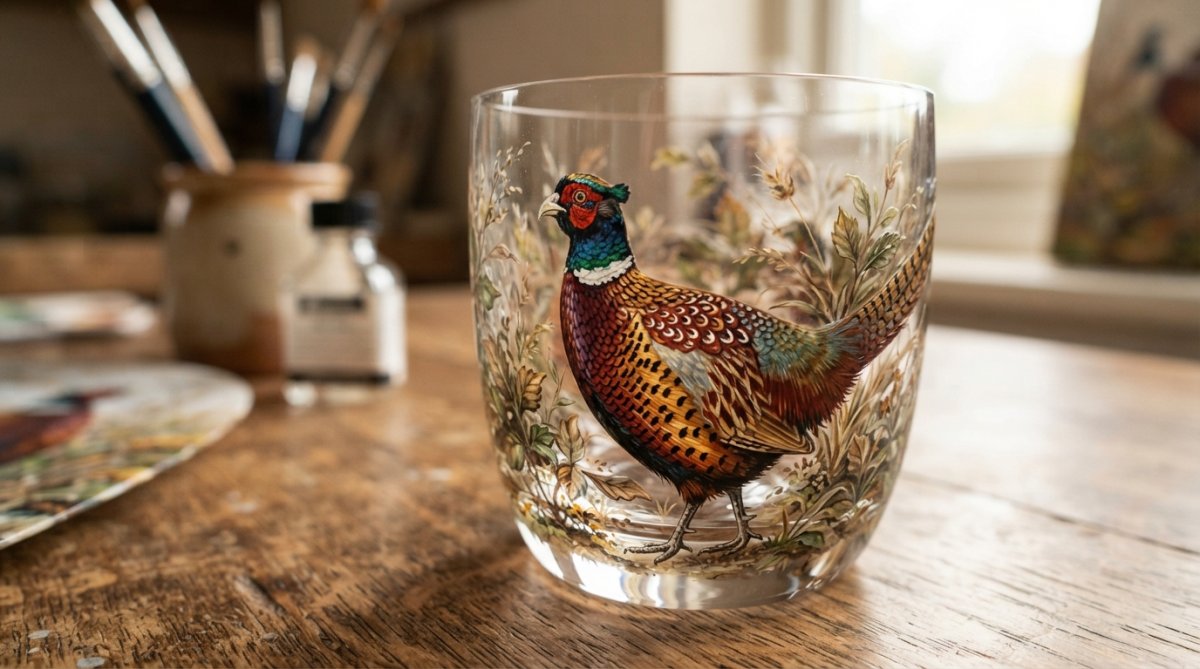
Entry-level commissions start around £39 for simpler designs on standard glassware. Jack Fethers offers hand-painted pheasant glassware at this price point, with each piece hand-painted and signed. These are perfect for someone wanting authentic artisan work without premium pricing.

Mid-range commissions typically cost between £85 and £150. This tier covers more detailed custom designs, such as pet portraits or bespoke wildlife scenes with multiple elements. The Pet PAWtraits service from Jack Fethers sits at £85, allowing customers to upload a photo of their pet for a custom hand-painted glass tumbler, wine glass, pint glass, or decanter. Turnaround time is usually 7-14 days.
Premium custom commissions exceed £150 and can reach several hundred pounds for highly detailed, large-format pieces or complex multi-subject designs incorporating multiple wildlife subjects or personalised elements for significant occasions.
| Pricing Tier | Price Range | Typical Design Complexity | Turnaround Time | Best For |
|---|---|---|---|---|
| Entry-level | £39-£60 | Single subject, simple detail | 7-14 days | First-time buyers, simple designs |
| Mid-range | £85-£150 | Custom pet portraits, detailed scenes | 7-14 days | Personalised gifts, specific requests |
| Premium | £150+ | Complex multi-subject, large format | 2-4 weeks | Wedding gifts, elaborate commissions |
The custom glassware commission process at Jack Fethers starts with a consultation where you discuss your vision, the type of glassware, and specific design elements. The artist provides a quote based on complexity and timeline, with a payment page available for pre-ordered or commissioned pieces.
The Custom Glassware Commission Process and Timeline
The custom glassware commission process typically spans two to four weeks from initial consultation to finished piece, though simpler designs can be completed in seven to ten days.
Contact the artist to discuss your vision, provide reference images if relevant, and specify which type of glassware you want, tumblers, wine glasses, champagne flutes, pint glasses, or decanters all have different painting surfaces. The artist provides a quote and timeline based on their current workload.
Once you've agreed on design and price, you'll typically pay a deposit or full amount upfront. Jack Fethers offers a custom glass payment page for pre-ordered or commissioned pieces. Each coat of paint must dry properly before the next is applied, and hand-painted details require the artist's full attention. Revisions are possible during this stage if you're not happy with the design's progression.

Quality control happens before the piece ships. The artist inspects the finished work for imperfections, ensures the paint has cured properly, and verifies all details meet the agreed-upon design. The piece is then carefully packaged to protect it during transit.
Artisan Glassware Durability and Long-Term Value
Hand-painted glassware, when properly made and cared for, lasts for decades. Durability depends on the quality of the glass, paint formulation, and how well the piece is sealed and maintained. This longevity justifies hand-painted glassware commission prices, you're buying something meant to last, not a disposable item.
Professional artists use food-safe, dishwasher-resistant paints specifically formulated for glassware that cure to a hard finish resisting chipping and fading. The glass itself is typically tempered or high-quality borosilicate, which withstands thermal shock and regular use without cracking.
What separates truly durable hand-painted glassware from lower-quality work is the sealing process. After the design is painted, the piece is sealed with a clear protective coat that locks in the paint and creates an additional barrier against wear. This seal allows hand-painted pieces to survive the dishwasher, though hand-washing is gentler and extends life further.
The long-term value extends beyond durability. A piece commissioned from an established artist like Jack Fethers becomes a keepsake that tells a story and marks a specific occasion. Over time, these pieces often become more meaningful, the sort of items people pass down or treasure for years.
How to Clean Hand-Painted Glassware Safely
Proper cleaning preserves hand-painted glassware for years. Hand-washing is always the safest approach, though many modern hand-painted pieces tolerate the dishwasher on a gentle cycle.
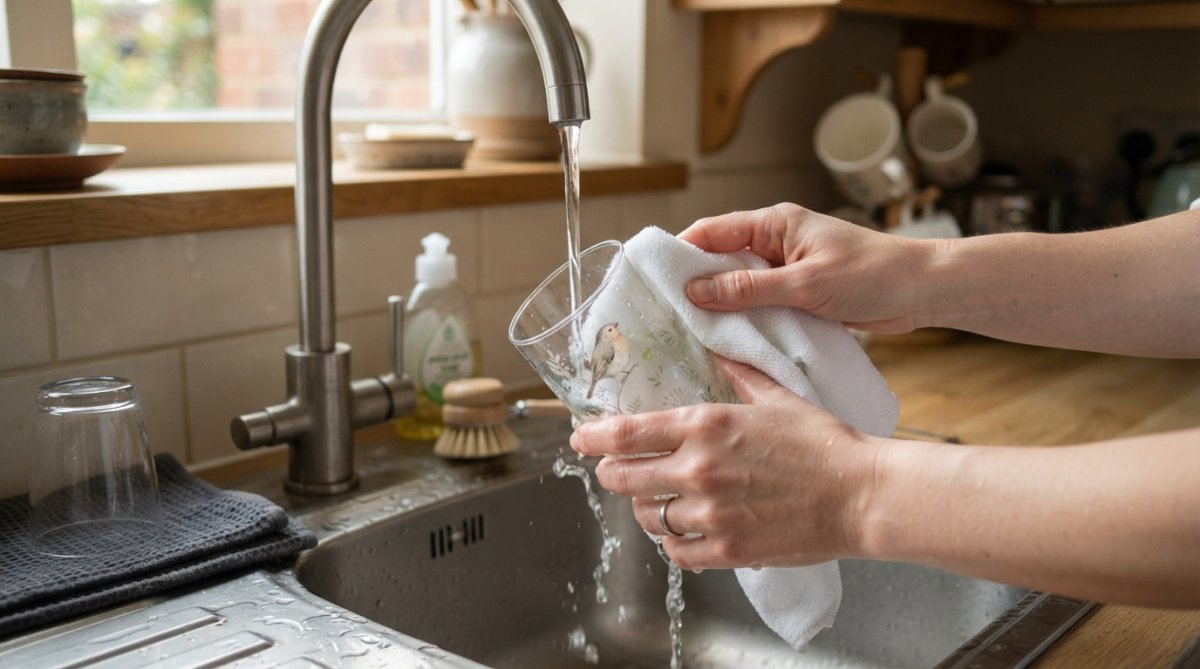
For regular cleaning, use warm water and a soft cloth or sponge. Avoid abrasive scrubbers or harsh scouring pads, which can scratch the painted surface. Mild washing-up liquid is fine; rinse thoroughly and pat dry with a soft, lint-free cloth rather than air-drying.
For stubborn residue, soak in warm soapy water for 15 to 20 minutes before gently wiping. For mineral deposits from hard water, use equal parts white vinegar and water, soak briefly, then rinse and dry immediately.
Never use bleach, ammonia-based cleaners, or harsh chemicals on hand-painted glassware. Avoid the microwave or direct heat sources, as extreme temperatures can affect paint adhesion. If dishwasher-safe, use the gentle cycle with cool water and remove promptly after completion. Hand-washing extends the artwork's life considerably.
Keep hand-painted glassware away from direct sunlight, which can fade colours over time. Store in a cool, dry place where pieces won't be knocked over. If stacking glasses, place a soft cloth between each piece to prevent scratching.
Why Hand-Painted Glassware Costs More Than Prints
Hand-painted glassware is original art. Each piece is unique, painted by hand with individual variation. No two hand-painted pheasants from Jack Fethers are identical; brushstrokes differ and colour intensity varies slightly. That uniqueness has value, especially for gifts or treasured pieces.
Printed designs can fade over time with regular washing and sunlight exposure. Hand-painted artwork, sealed properly, resists fading far better.
Creating hand-painted designs requires years of practice, artistic training, and technical knowledge about how paints behave on glass. A professional artist brings expertise justifying the cost. You're paying for the artist's accumulated knowledge and ability to execute a vision beautifully.
Hand-painted glassware has emotional resonance that prints cannot match. Knowing a skilled artist spent hours creating something specifically for you adds meaning. It's the difference between a mass-produced gift and a bespoke one.
Commissioning Your Piece: What to Expect
Commissioning hand-painted glassware is a collaborative process that works best when you know what to expect at each stage. Clear communication prevents misunderstandings and ensures satisfaction.
Research the artist's portfolio to see whether their style matches your vision. Jack Fethers specialises in British wildlife themes, which works beautifully for nature enthusiasts but might not suit every aesthetic.
Be specific about what you want. Rather than saying "I'd like a bird on a glass," describe the specific bird, pose, colours, and how the design should be positioned. Share reference images, photos of your pet, or inspiration from other artwork. This clarity helps the artist understand your vision and provide an accurate quote.
Discuss the glassware type carefully. A tumbler has a large, flat surface ideal for detailed work. A wine glass has a narrower, curved surface requiring a different approach. Decanters offer interesting shapes but can be tricky to paint and seal. The artist will advise what works best for your design.
Ask about the revision process. Clarify what counts as a revision and understand these boundaries to prevent frustration.
Confirm payment terms and what happens if you're unsatisfied with the final piece. Jack Fethers uses a custom glass payment page for commissioned pieces, making transactions transparent and secure.
Be realistic about timelines. A simple design might be completed in seven to ten days; a complex custom piece could take four weeks or longer. Communicate specific dates clearly when requesting commissions.
Conclusion
Hand-painted glassware commission prices reflect genuine artistry, durability, and the time required to create something truly unique. Whether commissioning a pet portrait for £85, a bespoke pheasant glass at £39, or a premium custom piece for a special occasion, you're investing in original art that will last for years.
The custom glassware commission process, when approached thoughtfully, results in pieces you'll treasure. Jack Fethers brings professional experience to every commission, creating hand-painted designs that celebrate British wildlife and personal stories. Each piece is signed and dated, marking it as original artwork.
If you're considering commissioning hand-painted glassware, explore Jack Fethers' portfolio and existing designs. Whether drawn to hand-painted pheasant glassware or interested in a custom pet portrait, the team can guide you through the process. View all commission options and get started on your bespoke piece today.
Frequently Asked Questions
Q: How are hand-painted glassware commission prices calculated?
A: Hand-painted glassware commission prices depend on several factors: the complexity of the design, the type of glassware chosen (tumbler, wine glass, decanter), and the artist's workload. Jack Fethers prices custom pet portraits at £85.00, whilst hand-painted pheasant glassware starts at £39.00. More intricate designs or larger pieces typically cost more. The price reflects the time spent on the artwork, materials used, and the artist's expertise in hand-painting each piece individually.
Q: What factors influence the cost of bespoke glassware?
A: Design complexity is the primary driver, simple wildlife silhouettes cost less than detailed pet portraits with background elements. The type of glassware matters too; a decanter requires more paint than a tumbler. Turnaround time can affect pricing; rush orders may incur additional fees. Customisation level, such as incorporating specific colours or multiple subjects, also increases cost. Finally, the artist's experience and reputation influence pricing, as established artisans command higher rates for their craftsmanship and quality assurance.
Q: How long does it take to complete a glassware commission?
A: Most hand-painted glassware commissions take 2 weeks to deliver, though Jack Fethers can complete some pieces in as little as 7-10 days depending on current workload. Turnaround time depends on the design's complexity and the artist's schedule. It's advisable to discuss your timeline when placing a commission, if you need a piece for a specific event, contacting the artist beforehand ensures they can accommodate your deadline. Rushing a commission may affect pricing.
Q: Is hand-painted glassware dishwasher safe?
A: Hand-painted glassware should be hand-washed to preserve the artwork and finish. Dishwashers expose painted pieces to high heat, harsh detergents, and abrasive contact, which can fade colours, damage the design, or cause the paint to chip. Gentle hand-washing with warm water, mild soap, and a soft cloth keeps the piece looking pristine for years. This care requirement is part of what makes hand-painted pieces special, they reward careful handling with lasting beauty.
Q: What makes hand-painted glassware worth the investment compared to prints?
A: Hand-painted glassware is functional art, you use it daily, making it a living part of your home rather than decoration you simply view. Each piece is unique and signed by the artist, creating genuine collectable value. Unlike mass-produced alternatives or prints, hand-painted glassware demonstrates artisan craftsmanship, durability, and personal connection to the maker. The investment reflects quality materials, artistic skill, and the time invested in creating something truly one-of-a-kind for you.
This article was written using GrandRanker